Dr Alex Kumar
#GlobalHealth
Physician / Medical Doctor
Photographer
Public Engagement
WHO IS ALEX?
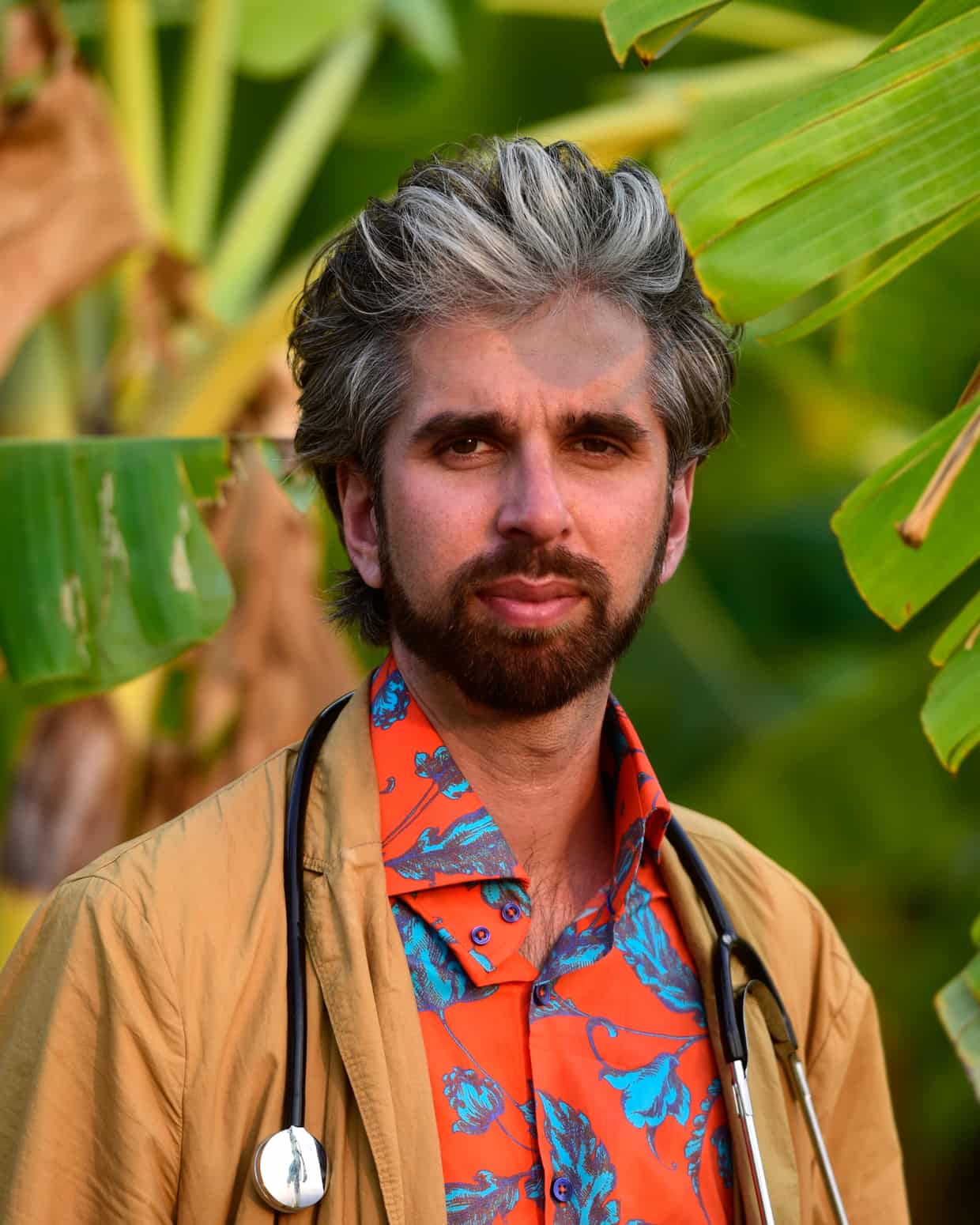
Alex is a British global health physician, photographer and experienced presenter working in public engagement.
For his age he is one the United Kingdom’s most traveled doctors, having lived, worked and traveled through over 90 countries.
Realizing a sense of humor weighs nothing, Alex travels light armed only with a stethoscope and his curiosity for life.
MEDICINE
Born to dual British-Indian heritage, Alexander Kumar grew up in a small town in the Peak District in UK and graduated in medicine at Guy’s, King’s & St. Thomas’ in London (UK), undertaking placements in India, Israel, Shetland, South Africa, Brazilian Amazon rainforest and Canadian Arctic.
He has worked in medicine in Brighton (UK), trained in Anaesthetics and Intensive Care in Oxford (UK) and recently as an Academic Clinical Fellow in Infectious Diseases and Tropical Infections in Leicester (UK). Alex gained further specialty postgraduate training in Tropical Medicine (DTM&H) at London School of Hygiene and Tropical Medicine (UK), Disaster Medicine (DMCC) and Mountain Medicine (DiMM).
His humanitarian experience includes working in Sierra Leone in an Ebola treatment center during the West Africa outbreak, Zika virus in South America, snake envenomation in the Amazon and tropical infectious diseases globally.
AUSTERE, EXPEDITION & EXTREME MEDICINE
As one of UK’s most experienced expedition doctors, he has been the expedition doctor in mountain (high altitude), polar, jungle and desert environments.
RESEARCH: ARCTIC, ANTARCTICA & TROPICAL MEDICINE
Fascinated by life in the polar regions, Alex lived in the Canadian Arctic and published the first piece of research on HIV among Inuit.
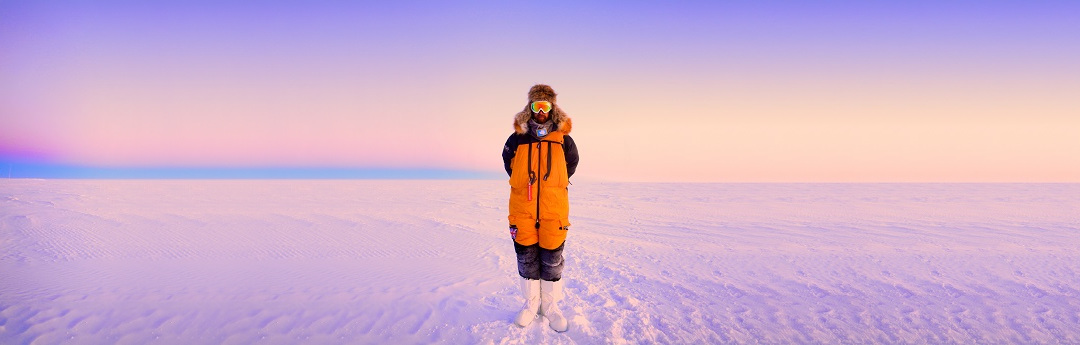
Then one hundred years on from Scott and Shackleton, Alex traveled to Antarctica and spent around one year living and wintering on what he called PLANET CONCORDIA © at the Concordia Research Station as the European Space Agency (ESA) Human Spaceflight Research M.D. where he conducted research in the most extreme and remote environment on the planet to understand how far human physiology and psychology can be pushed towards a future manned mission to Mars.
Later in an article he wrote for the New York Times, Alex coined the phrase WHITE MARS © and co-designed the White Mars human science space analogue protocol (est. 2012) for explorer Sir Ranulph Fiennes’ Coldest Journey, which attempted the first land crossing of Antarctica during winter.
Alex has worked as a clinical research fellow with Oxford University’s Mahidol-Oxford Tropical Medicine Research Unit (MORU) in Bangkok, Thailand and has active international and global health collaborations.
Working in a clinical role, alongside global health engagement and innovation across the globe, he has published research in peer reviewed medical journals and contributes to projects spanning all continents.
GLOBAL SOLUTIONS
In Summer 2017, Alex was selected as a participant in Singularity University’s ‘Global Solutions Programme’ onsite at NASA Ames Research Park in Mountain View. This is known as Silicon Valley’s version of a mini MBA, is sponsored by Google and Deloitte and focuses on global problems that affect at least 1 billion people or more.
PUBLIC ENGAGEMENT
With his inspiring enthusiasm and relentless passion as he says for ‘people and places’, global health and the natural world, taking a down-to-earth approach Alex enjoys sharing his enormous wealth of unique global experiences in writing, photography and television.
PUBLIC SPEAKING
In terms of public engagement, Alex is a globally experienced TED, corporate and public speaker sharing his vast and unique experience in global health, extreme adventure and scientific exploration with international audiences, alongside being honoured to have been selected as a ‘Global Perspectives Speaker’ for National Geographic & Lindblad.
TELEVISION
Alongside his appearances on BBC television including BBC Breakfast and BBC Stargazing, he has appeared in several television series, including a replication of Sir Ernest Shackleton’s famous escape from Antarctica, filmed for the Discovery Channel. In 2017 he featured in his second television series for Discovery Channel, titled ‘Everest Rescue’ (6 episodes) as the onscreen doctor, highlighting health challenges on and around Mount Everest one year after the Nepal earthquake.
PHOTOGRAPHY & WRITING
Alex is the world’s first combined medical doctor and photographer specialised and pioneering a new field in documentary photography, known as Global Health Photography.
As a photographer and writer he has both featured in and extensively published scientific, health and travel-related articles and photographs in BBC News, New York Times, Guardian and National Geographic Traveler among other international media outlets, alongside medical journals including The Lancet – please see PRESS & RESEARCH section.
Alex is a fan and supporter of one of his favourite charities, Guide Dogs for the Blind (www.guidedogs.org.uk). Here is a video made in support of Guide Dogs – http://www.youtube.com/watch?v=U4PNCWhITDA